
crafts & knitting · knitting tips

Knitted increase methods for LCR Patterns

This is a post that I’ve been planning to write for a good long while. It details the increase methods most used in my range of Little Cotton Rabbits patterns, with pictures for each method and details of their specific characteristics so that they can be compared and contrasted. If you would like a copy to download and print there’s a free PDF file here.

A comparison of increases:

The table above compares six paired and mirrored increases. As you can see they are grouped vertically according to the direction in which the increase stitch leans (either to the left or to the right) and also grouped horizontally as matched symmetrical pairs which mirror each other.

All of the left leaning increases above can be substituted for each other without having to adjust the written pattern. This is because they are all made in the space between two existing stitches. The exact same goes for all of the right leaning increases. However, because each of these increase methods have a different impact on the stitches around them it is worth taking the time to understand the characteristics of each when deciding which will make the best substitute.

Below is a piece of knitting that compares the three left leaning increases detailed above, showing the impact that each of these increases has on the rows above and below it.

All three left leaning increase stitches are made on the blue row in the centre of the work. You can see how:

A: M1A impacts the row that the increase is made on, and creates the first full stitch on the pink row above
B: M1L impacts the row directly below in gold, and creates the first full stitch on the current row
C: KLL impacts and distorts the 2 rows below in pale yellow and gold, and creates the first full stitch on the current row

If you are making the increases in a pattern of lateral colour change stripes you will want to consider whether you start the stripes on the row prior to the increases or on the increase row itself as your stripes will either have neat transitional lines or steps depending on which of the increase methods you choose to use and where you place them.

. . . . . . . . . . . . . . . . . . . . . . . . . . . . . . . . . . . . . . . . . . . . . . . . . . . . . . . . . . . .

Left Leaning Increases:

KLL: Knit Left Loop (also known as LLI: Left Lifted Increase):

Method: Knit into the left leg of the stitch two rows below the stitch you have just worked by inserting the tip of left needle into the stitch from behind and bringing the loop onto the left needle. Insert the tip of the right needle into the back of the loop and knit, so making an extra stitch.

One of the โ€˜lifted increasesโ€™, this is an increase to use when what matters most is invisibility, and it works particularly well for knitted toys which are going to be firmly stuffed, as it creates a nice tight fabric without a gap for the stuffing to show through. Along with its symmetrical pair (KRL) this is the tightest increase method, giving the least visible result.

This is an increase best used on single colour stocking stitch. It does not work well with stripes as it distorts the two rows below the increase, so you need to be aware of that when planning the placement of any stripes.

. . . . . . . . . . . . . . . . . . . . . . . . . . . . . . . . . . . . . . . . . . . . . . . . . . . . . . . . . . . .

M1L: Make 1 Left:

Method: With the left hand needle pick up the connecting strand between the two needles from the front and knit into the back of the loop. If you find this too tight for your liking you can substitute M1A (make one away) which will give a looser increase.

This is probably the most popular left leaning increase method and uses the strand that runs between two stitches that are already on the needle. If you are a tight knitter this can be quite fiddly to work, so it helps to use needles with very pointed tips. Because you are using the strand that connects two already worked stitches this can cause these stitches to be slightly distorted, as it takes a little length of yarn from them both. To minimise this try to use the narrow tip of the needle when working the increase rather than stretching the connecting strand by pulling it all the way on to the needle.

. . . . . . . . . . . . . . . . . . . . . . . . . . . . . . . . . . . . . . . . . . . . . . . . . . . . . . . . . . . .

M1A: Make 1 Away:

Method: Make a loop with the working yarn over the right needle tip so the tail is pointing backwards/away from you. On the following row you purl into this loop as normal in order to create a new stitch.

This creates a similar increase to M1L above but makes the increase one row later in the work and a little looser as the connecting strand between stitches is wrapped around the needle and so has more length to it. This results in a slightly more visible hole which can be minimised if you wrap the yarn tightly.

Its a nice increase to use on clothing as it stretches well and causes less distortion to the stitches around the increase.

. . . . . . . . . . . . . . . . . . . . . . . . . . . . . . . . . . . . . . . . . . . . . . . . . . . . . . . . . . . .


Right Leaning Increases:

KRL: Knit right Loop (also known as RLI: Right Lifted Increase):

Method: Knit into the right leg of the stitch one row below the next stitch on the left needle. Do this by inserting the tip of the right needle into the stitch from the back and bringing the loop up onto the left needle, then knit this loop as normal, so making an extra stitch.

One of the โ€˜lifted increasesโ€™. This is an increase to use when what matters most is invisibility, and it works particularly well for knitted toys which are going to be firmly stuffed as it creates a nice tight fabric without a gap for the stuffing to show through. Along with itโ€™s symmetrical pair (KLL) this is the tightest increase method, giving the least visible result.

This is an increase best used on single colour stocking stitch. It does not work well with stripes as it distorts the two rows below the increase so you need to be aware of that when planning the placement of any stripes.

. . . . . . . . . . . . . . . . . . . . . . . . . . . . . . . . . . . . . . . . . . . . . . . . . . . . . . . . . . . .

M1R: Make 1 right:

Method: With the left hand needle pick up the connecting strand between the two needles from behind and knit into the front loop to create an extra stitch. If you find this too tight for your liking you can substitute M1T (make one towards) which will give a looser increase.

This is probably the most popular right leaning increase method and uses the strand that runs between two stitches that are already on the needle. If you are a tight knitter this can be quite fiddly to work, so it helps to use needles with very pointed tips. Because you are using the strand that connects two already worked stitches this can cause these stitches to be slightly distorted, as it takes a little length of yarn from them both. To minimise this try to use the narrow tip of the needle when working the increase rather than stretching the connecting strand by pulling it all the way on to the needle.

. . . . . . . . . . . . . . . . . . . . . . . . . . . . . . . . . . . . . . . . . . . . . . . . . . . . . . . . . . . .

M1T: Make 1 towards:

Method: Make a loop with the working yarn over the right needle tip so the tail is pointing forwards/towards you. Note: In order to get a neat finish you will need to purl into the back loop of this stitch on the following row.

This creates a similar increase to M1R above but makes the increase one row later in the work and a little looser as the connecting strand between stitches is wrapped around the needle and so has more length to it. This results in a slightly more visible hole which can be minimised if you wrap the yarn tightly.

Its a nice increase to use on clothing as it stretches well and causes less distortion to the stitches around the increase.

. . . . . . . . . . . . . . . . . . . . . . . . . . . . . . . . . . . . . . . . . . . . . . . . . . . . . . . . . . . .

Other Increases:

KFB: knit front and back:

This is probably the method of increasing that most people learn when they are first starting out with knitting, possibly because it is so simple. It does however make a very visible bar at the base of the increase stitch and so is not the best choice if you want a neat and tidy finished result to your work, (it is also know as a bar increase).

You work it by simply knitting into a stitch as normal and then before slipping that stitch from the left needle you knit into the stitch again, but this time through the back leg, so creating two stitches from one.

Because all of the other increase methods detailed here work by creating an increase stitch between two existing stitches it is not possible to simply substitute KFB without making adjustments. So if a pattern reads:

K2, KLL, K1, KLL (5 stitches)
then in order to use KFB instead of the KLL increase you would need to work:

K1, KFB, KFB (5 stitches).

The KFB increase does have itโ€™s uses as a decorative increase, and I do use it occasionally in my patterns for this reason.

. . . . . . . . . . . . . . . . . . . . . . . . . . . . . . . . . . . . . . . . . . . . . . . . . . . . . . . . . . . .

Other sources of information and tutorials:

There are lots of tutorials and videos available on the internet that demonstrate how to work these increase techniques. These can form an invaluable resource for any knitter who wants to hone their craft. Because itโ€™s not length of time that creates an experienced knitter, but the depth and breadth of their knitting skill base.

Here are a few of my favourite sites which have either good video or step by step tutorials for these increase methods (and many other knitting techniques too):

โ€ข Nimble Needles

โ€ข Very Pink Knits

โ€ข Knitting Help

โ€ข Purl Soho


countryside · crafts & knitting · foxes in my garden · in the woods · wildlife

April: and the greening of the woods


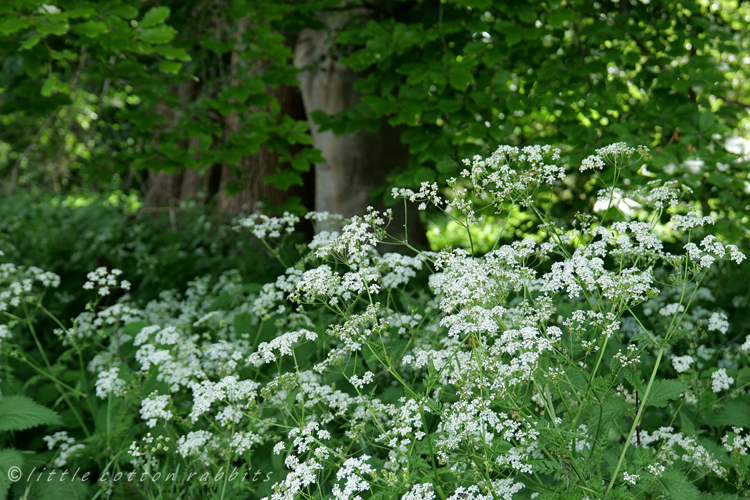
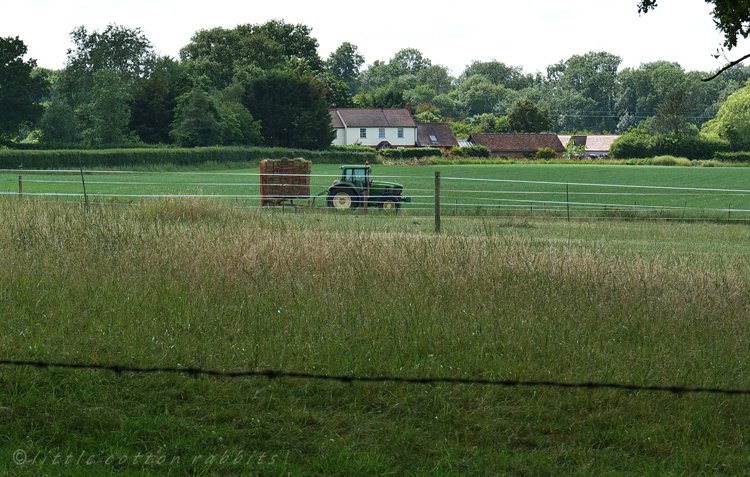
The beginning of April was unseasonably dry and sunny here and it’s been lovely to feel the warmth of the sun again, but around the middle of the month the weather changed, ushering in the abrupt rain showers that April is best known for, something much appreciated by the garden snails. And this combination of warmth, sunshine and showers has brought about such a dramatic change in the countryside. Just a couple of weeks ago all was still bare, twiggy and brown out in the woods, but now everything has burst into leaf and flower, the woodland air is tinged with green and delicately scented, and birdsong weaves its way between the trunks.

We do the same 5 walks each week with Toby and itโ€™s been so interesting to see the weekly change in the environment. It has really accelerated enormously this month, and the rapid spring growth in some plants is quite amazing. The first bracken fronds, nowhere to be seen just a week ago, are now almost a foot tall. And suddenly every verge and path margin is burgeoning green with all of the plants that would be called weeds if they were to spring up in a garden; nettles, dandelions, cleavers and clover.

One of my favourite spring flowers, the wood anemone, has carpeted a small wood for the early part of this month. The small flowers appear bell-like in overcast or wet weather and at night, but when the sun is shining they open fully and turn their faces towards the light, tracking it throughout the day. Apparently they are a marker of ancient woodland and it can take 100 years for them to spread just 6 feet, so this particular woodland with great drifts of them sprinkled throughout is precious and a marvellous sight. And it’s about to be superseded by the carpets of bluebells that are just emerging, they are the crowning glory of spring out in the woods.

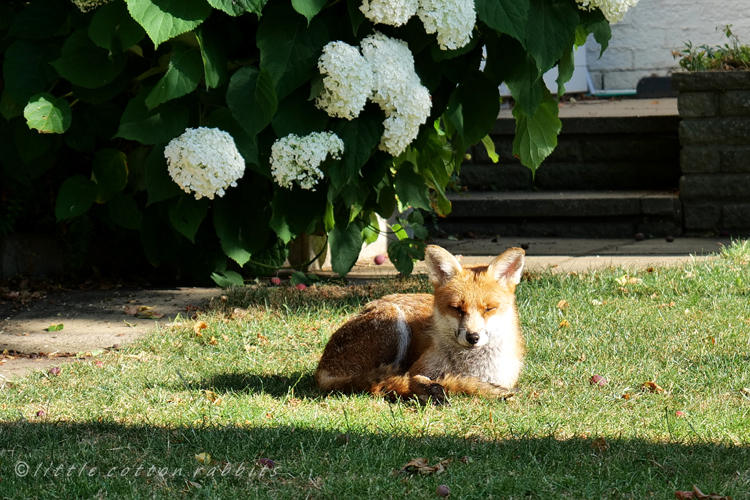
Back at home Katsue has been here most days, she’s picked up an injury just above her tail (the opposite side to her broken foot) but it’s healing well and she is no longer pregnant so whether the cubs are alive is not yet known. She enjoys curling up for a nap after her snack and seems in no hurry to leave, but this does not mean that anything has happened to the cubs as foxes often share a den with another vixen and do pool litters to give each other some time off.

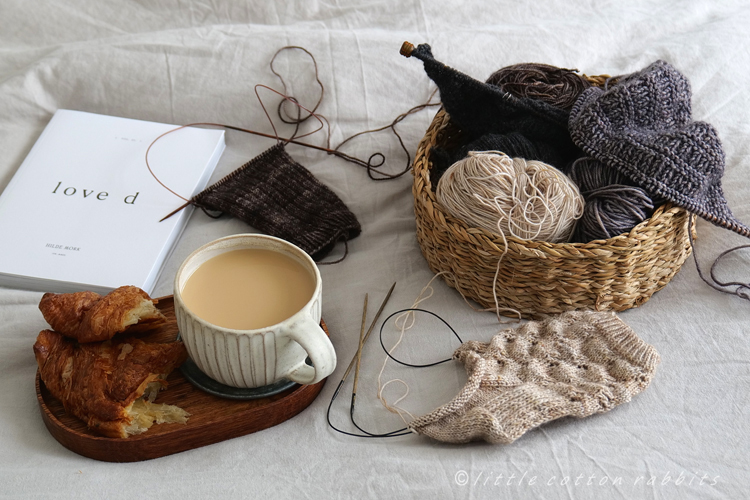
There has been a lot of knitting going on. Sock knitting continues to be a relaxing pastime when my brain needs a rest and I’ve enjoyed using some beautiful hand-dyed yarns in spring colours from The Knitting Shed to knit some very simple ‘don’t-need-to-think’ socks. But most of my available time is being spent on pattern writing. The 7 inch animals that I was working on are put aside for now and instead I’m continuing work on my new animal design, which is coming together slowly. I can’t show you progress yet as there are still wrinkles to be worked out, but hopefully next time I’ll be able to give you a hint ๐Ÿ™‚

‘Til then keep well, and continue seeking small joys wherever you can find them, hopefully they appear for you when needed, J x

PS: I filmed a little of one of our walks at Panshanger, Toby was having fun and scaring me a little with his climbing antics too!

spring film

Nature notes from April:

  • Week 1:ย  Blackthorn is just beginning to blossom, the bright white buds opening to small star-like flowers. We spotted 9 butterflies on one particularly sunny walk; orange tips, brimstones, comas and peacocks all dancing delightfully along the woodland rides at Balls wood.
  • Week 2:ย  The blackthorn is at peak this week, with field boundary hedgerows enveloped in clouds of white blossom and buzzing with bees. Wood anemones are suddenly in flower, when I looked for them last week all I saw was the first leaves emerging from the leaf litter, but this week they are in full glory.
  • Week 3:ย  Great tits have begun nesting in our garden birdbox and I’ve seen the first robin chick of this year, perched on the fence. The bluebells are in flower, not yet open but small blue spires full of promise.
  • Week 4:ย  The blackthorn blossom is over now but hawthorn is taking it’s place. They have such similar flowers but whereas blackthorn blossoms on bare boughs hawthorn comes into leaf before its flowers open. Bluebells are now gloriously opening and the scent on our woodland walks is wonderful.
countryside · crafts & knitting · garden stuff · general stuff

March: blossoming, birdsong and buds


Weโ€™re in that odd in-between time of year where one day it feels like Spring has arrived bringing sunshine, blue sky and warm breezes, and the next winter has reasserted dominance by sweeping back in with chilling frosts and squally sleet showers.

There are however signs that Spring is really just around the corner:

  • the treetops are a-twitter with small bird song, not yet at the full glory of a May dawn chorus, but certainly building towards it,
  • the plum tree in our garden is in full blossom, drawing in the first bumble bees and a few butterflies emerging from their hibernation in the woodpile,
  • the days are often warm enough to hang out washing on the line again, I do love gathering in line-dried washing, it smells so fresh and clean,
  • blackthorn is just beginning to blossom out in the hedgerows, with the frothy white flowers so pretty against the bare branches
  • trees are starting to bud, not yet turning green but poised and ready to begin
  • and it looks as though Katsue the little fox is pregnant, sheโ€™s grown very rotund around the middle and Iโ€™m pretty sure it not just all of the cocktail sausages sheโ€™s been eliciting from me

Back inside Iโ€™m really excited to be working on a new 9 inch animal pattern again, but progress is unfortunately woefully slow. Having Toby here for most of the time means that Iโ€™ve had to adapt to a new way of working and basically snatch what time I can between taking care of him. It makes for very sporadic and haphazard progress, but Iโ€™m pleased if, at the end of each day, Iโ€™m able to say that Iโ€™ve moved forward a little. Itโ€™s too early in the process to show you anything just yet, but Iโ€™m really looking forward to reaching the point where I can share some progress pictures with you.

As an antidote to the brain taxing business of pattern writing Iโ€™ve been spending the bookends of each day knitting simple things, (that is to say the early mornings when Iโ€™m not fully awake, and the late evenings when Iโ€™m dozing off again). Iโ€™ve made a few of these small bandana type scarves now, itโ€™s a lovely easily remembered pattern, perfect when when youโ€™ve run out of concentration capacity. The pattern is called ‘Sorgenfri Torkle’ by Guri Pedersen and I’m knitting it in Cardiff Cashmere Classic yarn in shade 518 Piombo

Well that’s all of my news for this time, I hope to have some more details of the new animal pattern soon, thanks as always for visiting with me, see you in April, J x