countryside · foxes in my garden · in the woods · wildlife

February, the patient month


If January is a month for hopefulness, then what is needed during February is patience. For there is a promise whispered on the breeze and gently stirring beneath the soil, hinting that change is coming, but not just yet. Because it can feel that February is the most wintry month of all, cold winds, frosty mornings, and almost constant sleety rain have made warm and sunny days feel impossibly distant. But in the truth February is a turning point between seasons, and again I am reminded that it is a privilege to live in a place where the procession of seasons creates a constantly transforming landscape. There is always something new to delight in, and a comforting sense of order and rhythm in the year.

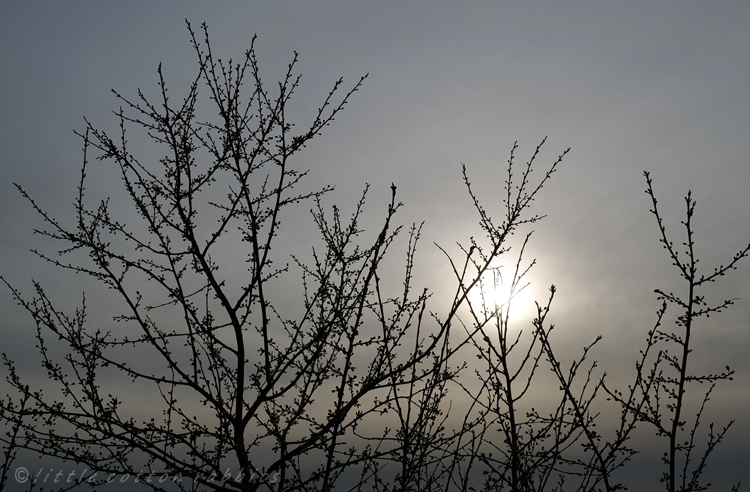
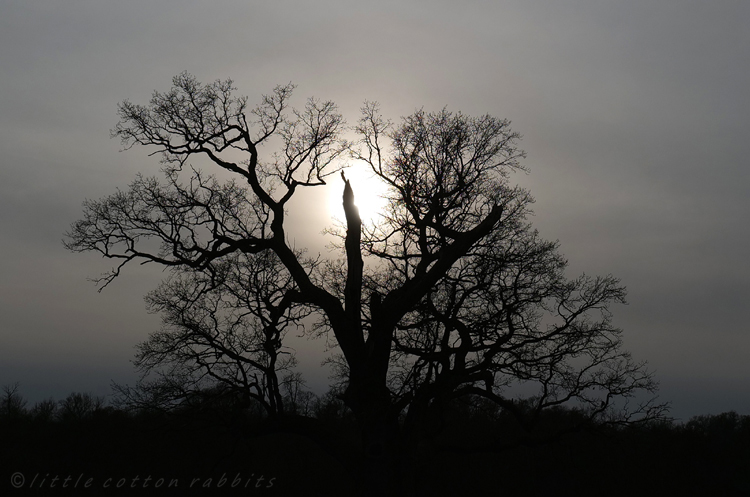
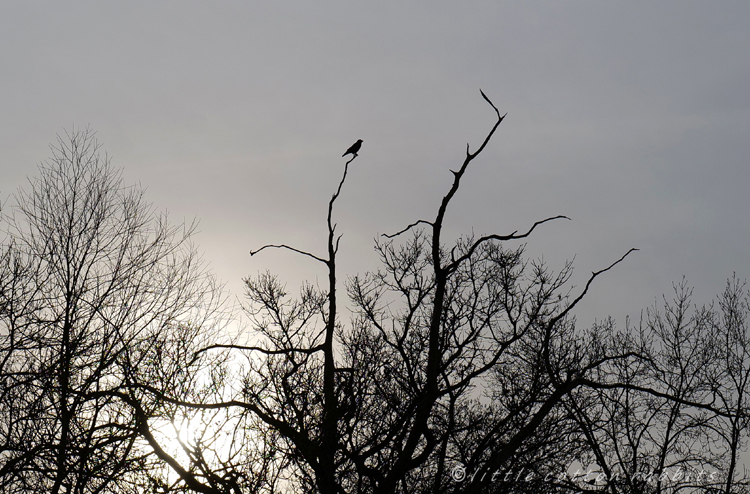
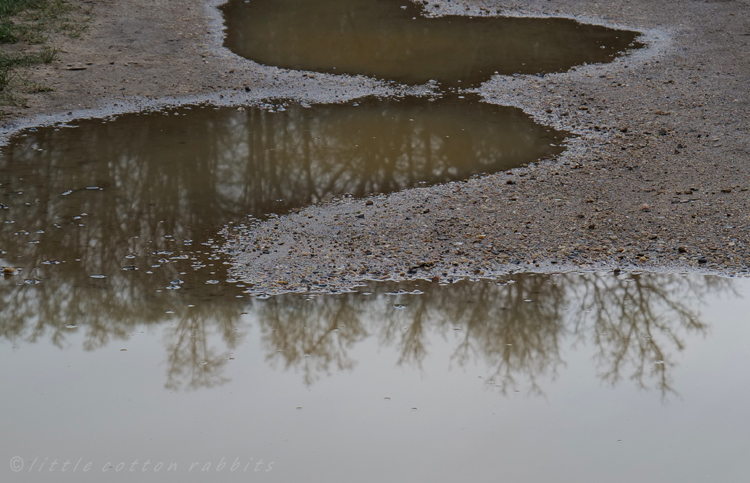
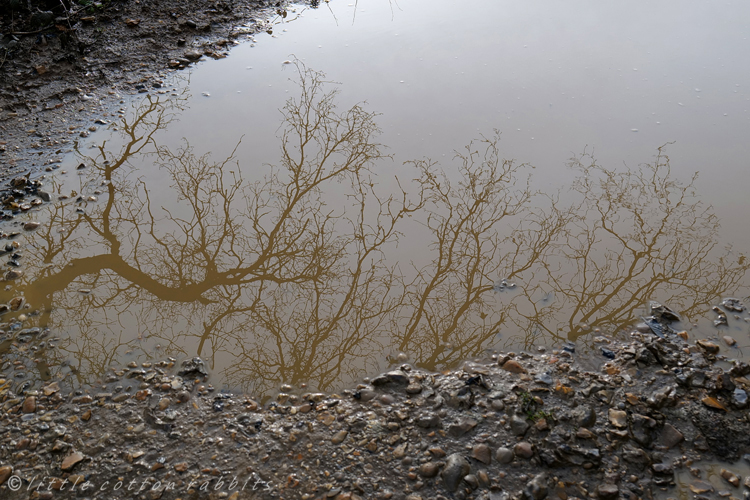
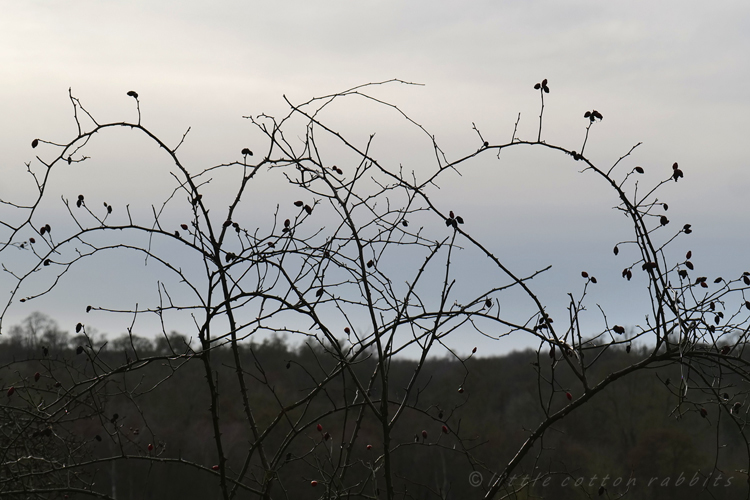
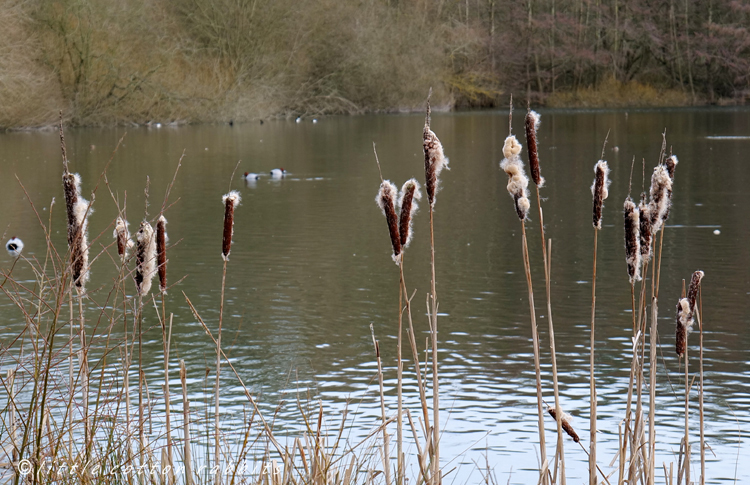
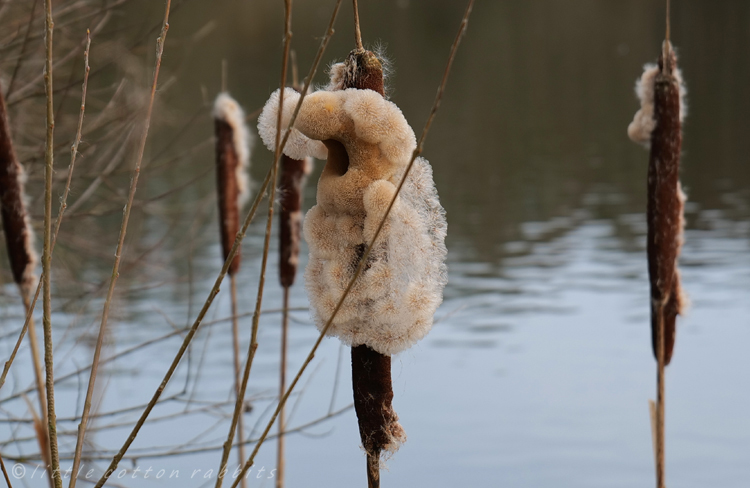
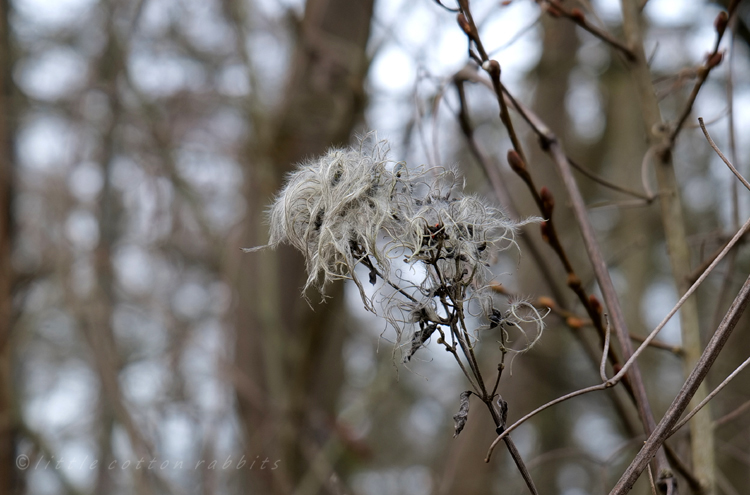
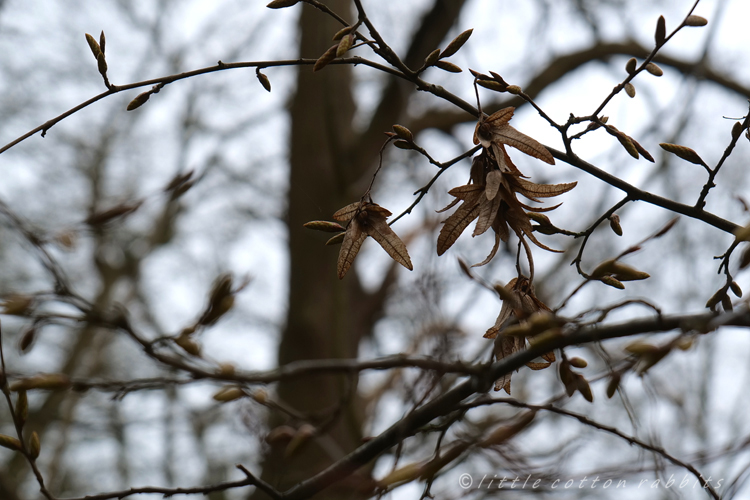
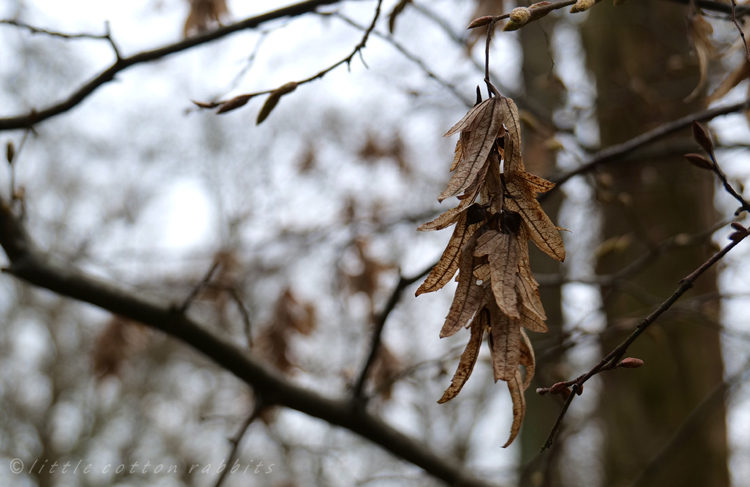
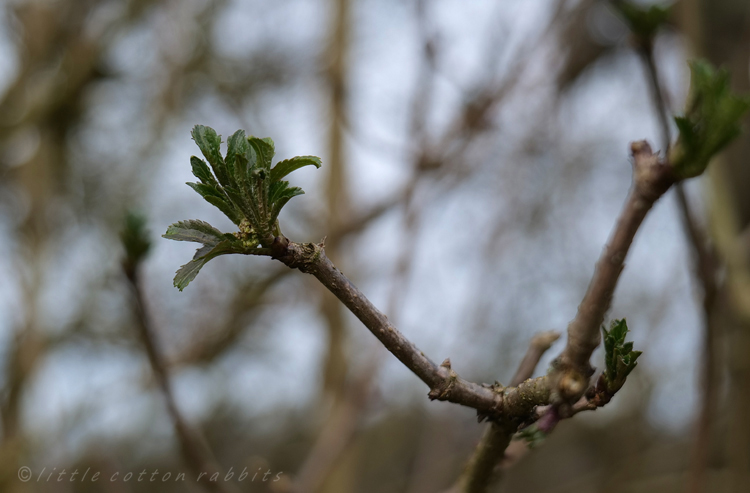
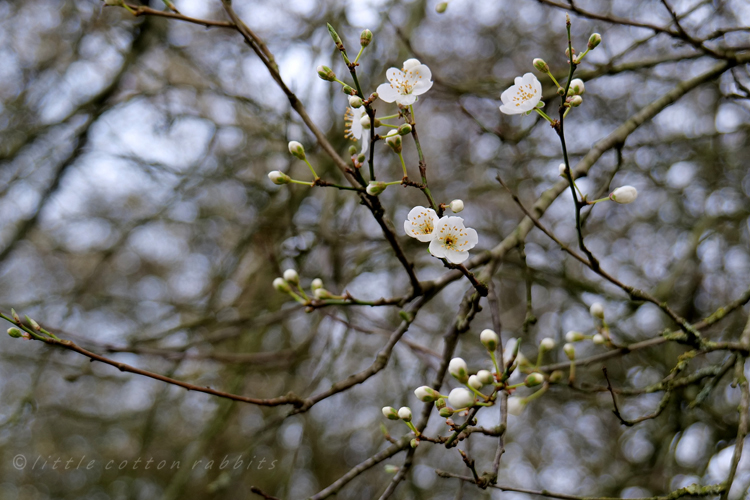
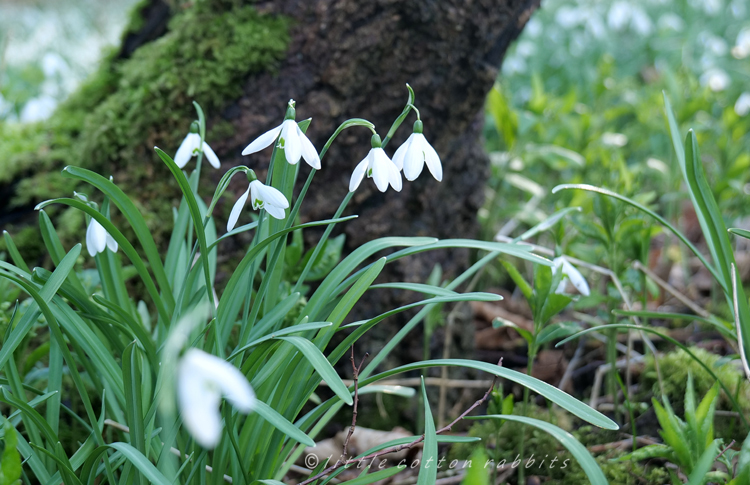
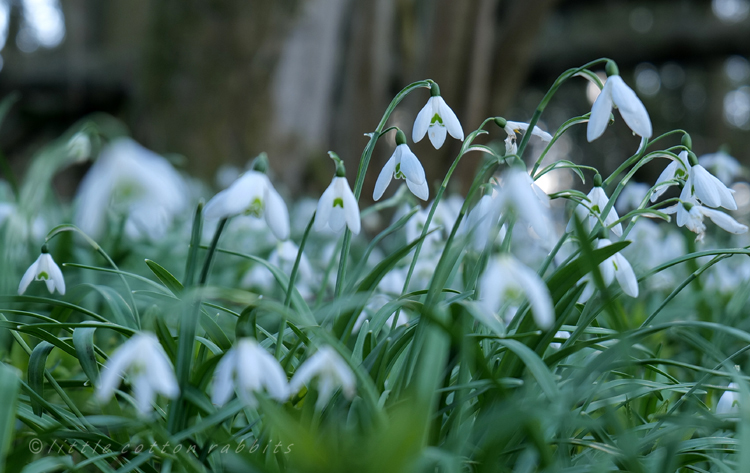
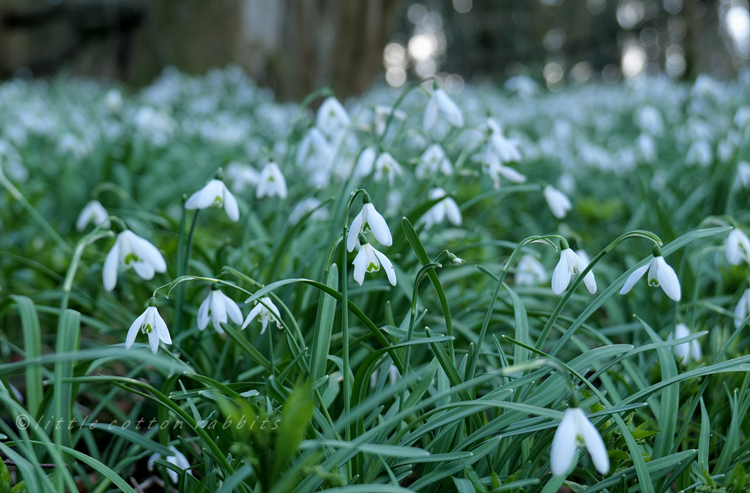
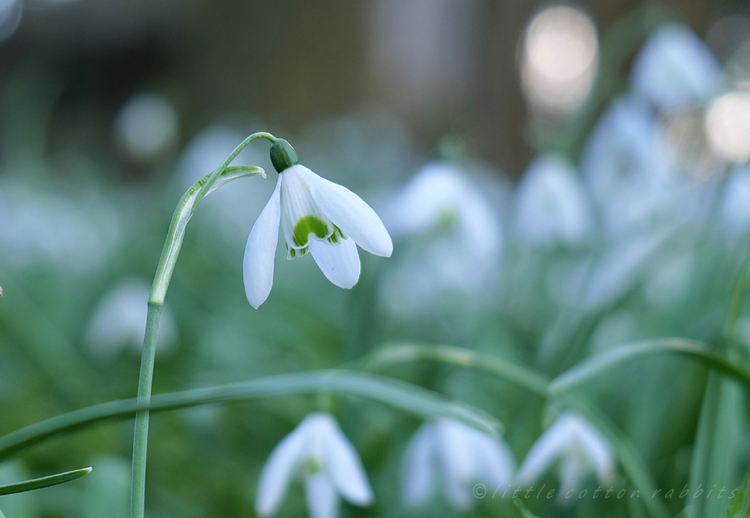
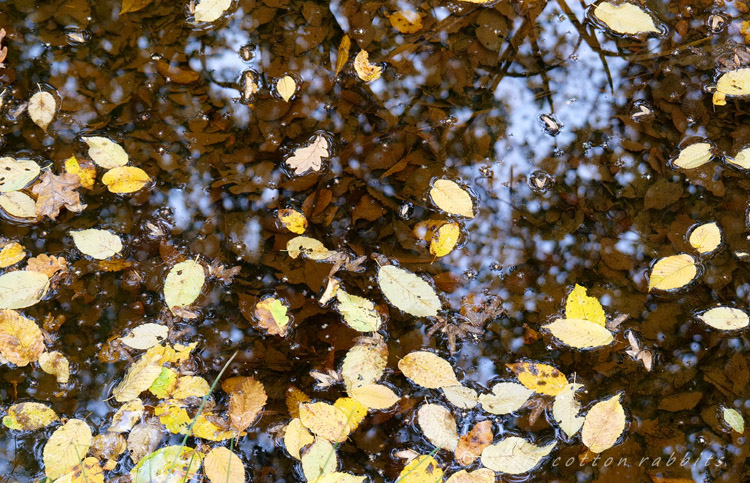
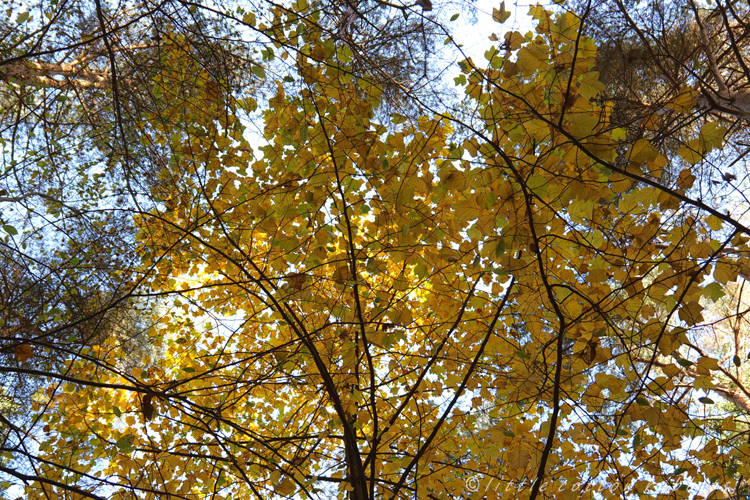
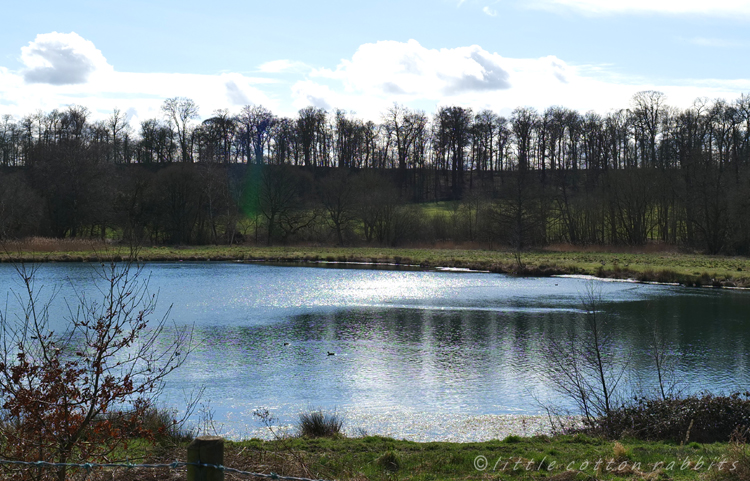
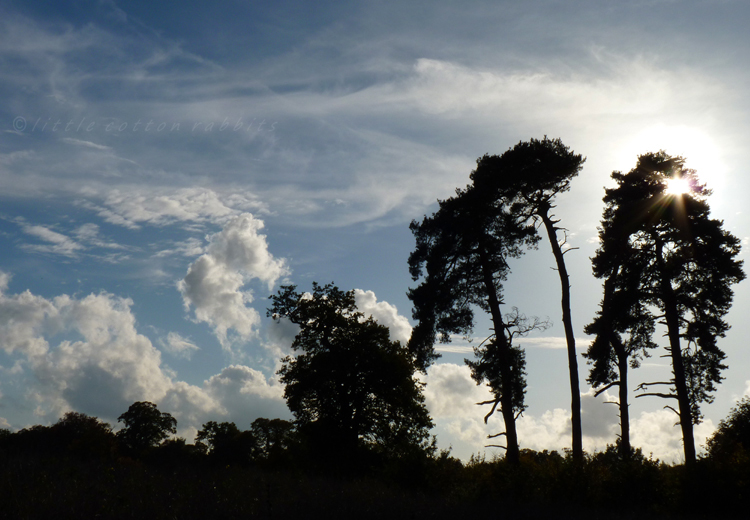
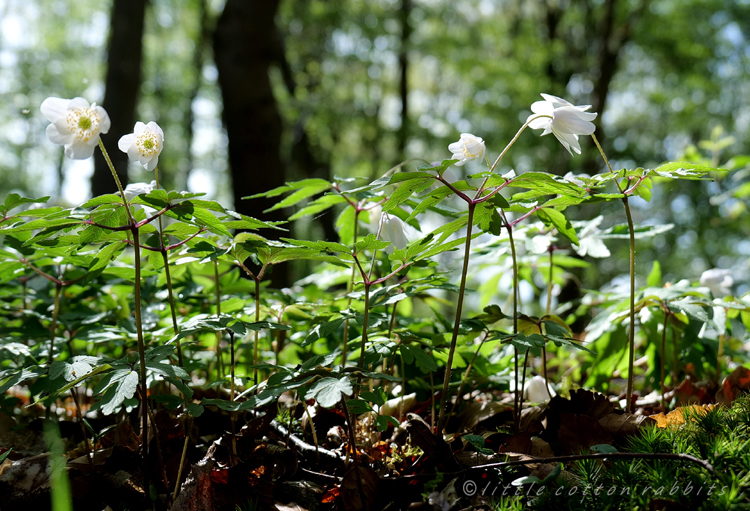
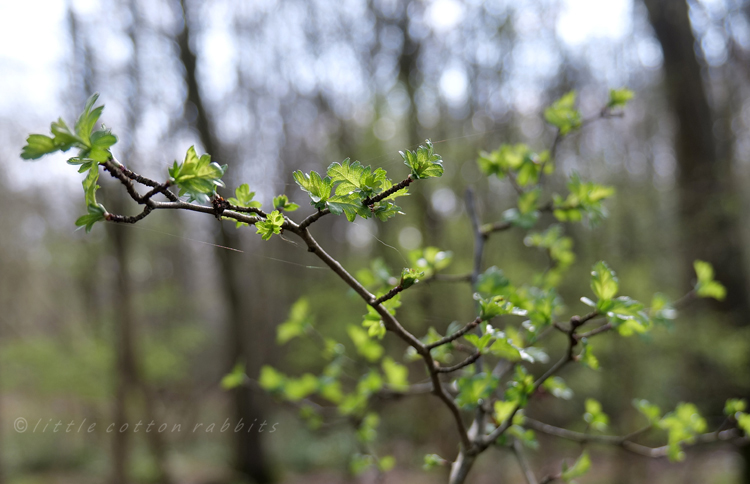
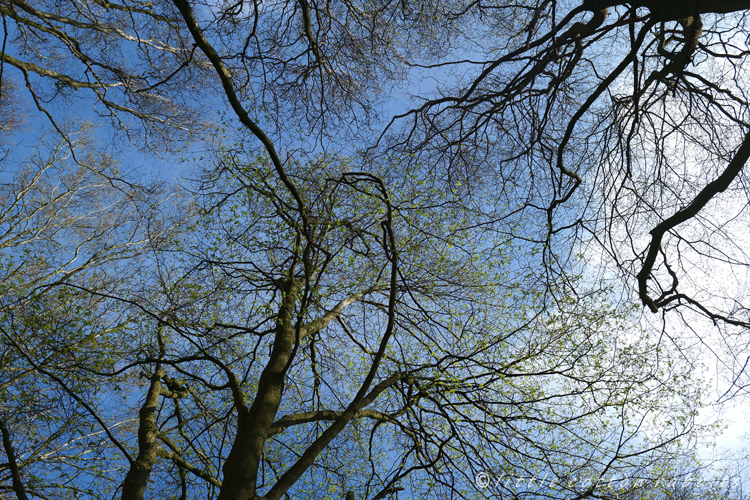
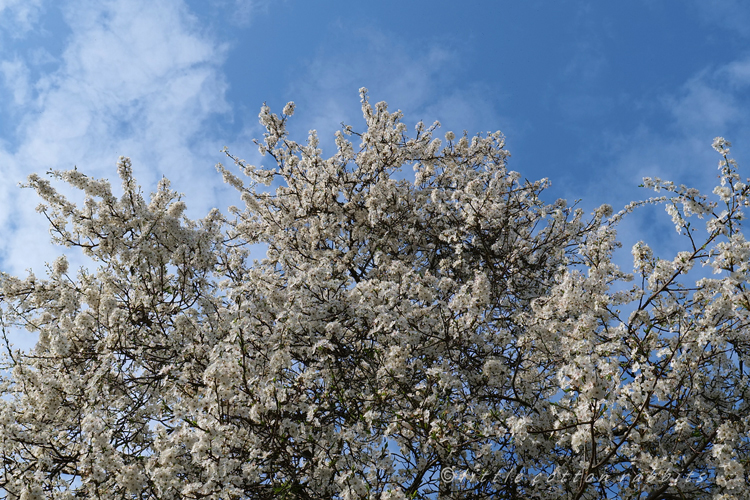
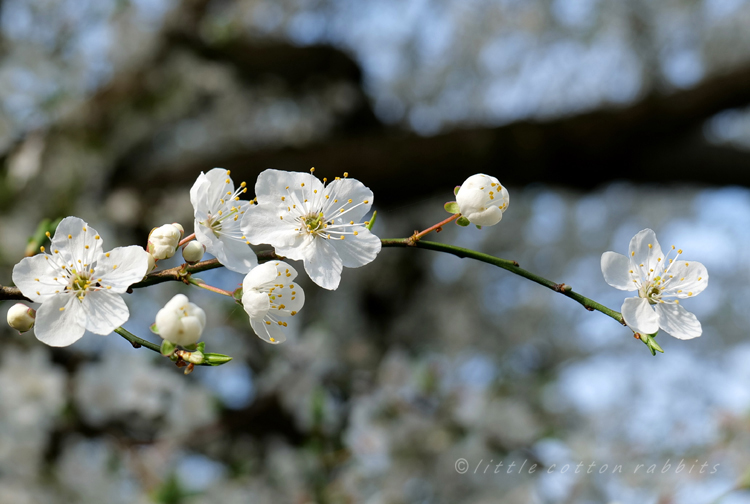
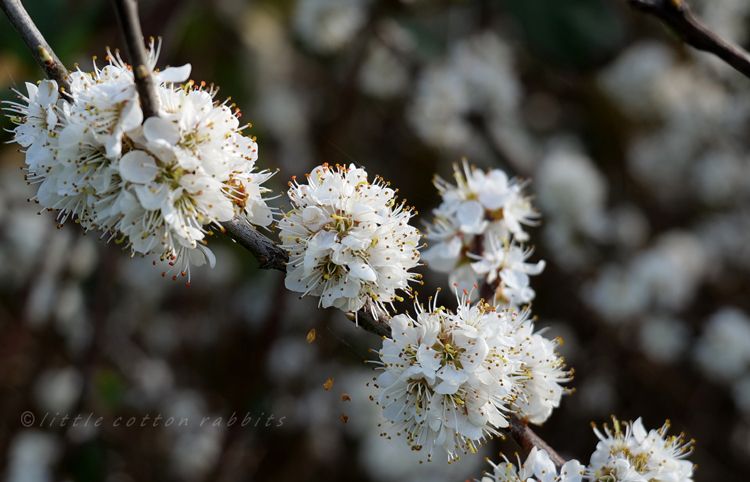
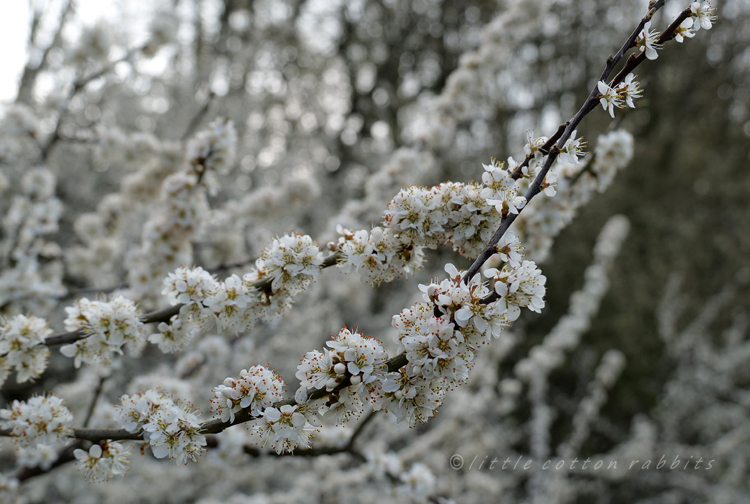
Here at the shabby and monotonous end of winter there is still beauty, even in an unassuming muddy puddle, which is transformed into a perfect pebble-edged mirror by low winter sun, and so reflects a delicate tracery of overhead branches. And the outline of trees with the sun behind them highlights their beautifully intricate structure. Last autumns seed heads still cling to many trees and bushes: hornbeam samaras* hang like paper lanterns from bare branches; swirls of old mans beard, the apt and evocative name given to clumps of fluffy wild clematis seeds, decorate the hedgerows which are still jeweled here and there with hawthorn berries and rose hips. Around the margins of the lake the bulrush heads are exploding in slow motion with the gossamer fluff that carries their seeds away on the slightest breeze. And yet there are also leaf buds gradually unfurling and early blossoms opening, and the snowdrops are a wonderful sight, carpeting patches of ancient, undisturbed woodland and trembling in the cold winter breeze.

*(Samara is a new word to me- it’s the name given to winged tree seeds, ie. those that are windblown such as Maple, Ash, Elm and Hornbeam)

Sometime last week I suddenly became aware that I could hear birdsong again out in the woods. Looking up into the treetops I could see the distinctive shape of a flock of long tailed tits (their tail is as long as their body) and with them larger great tits, as they often travel in mixed flocks. It’s rather beautiful to think that small birds sing their territorial boundary lines, their pleasing song stakes a claim on a small patch of the wood early in the year so that come the warmer weather and breeding season they have secured a good spot in which to raise a family.

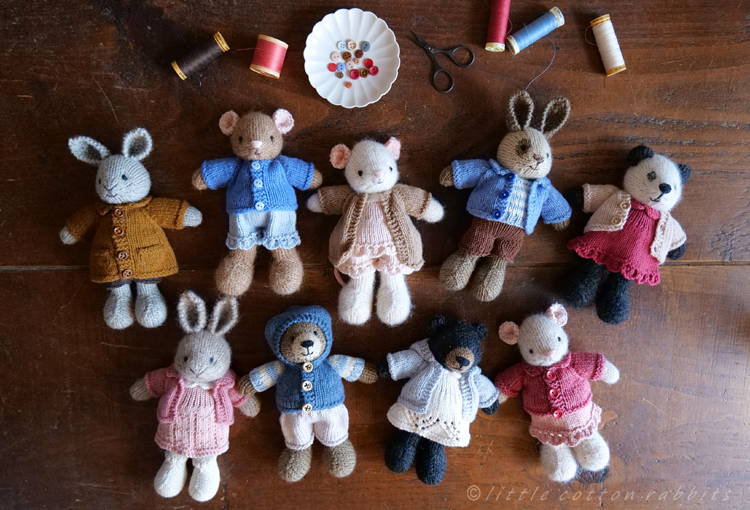
Back in the warmth and comfort of home I have been putting the finishing touches to a new pattern – the coats and cardigans for the small 7 inch animals. I have a few corrections still to make but I should be back with a finished pattern next week.

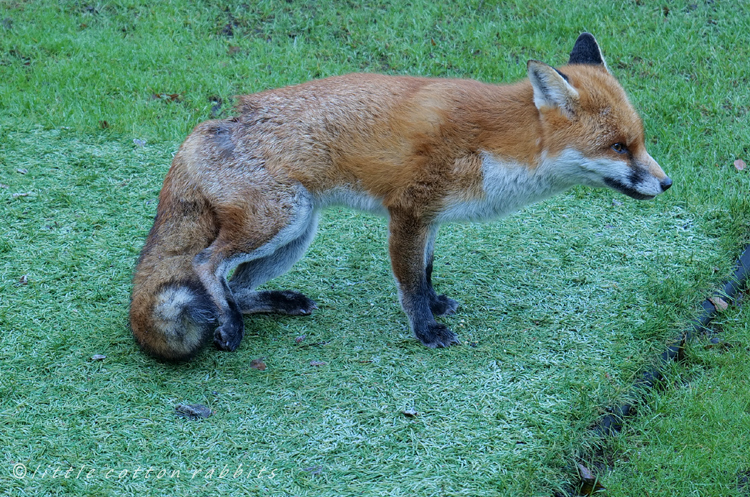
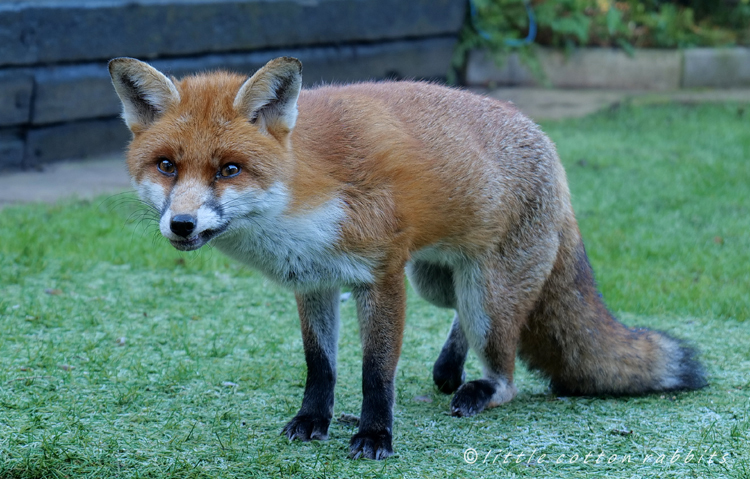
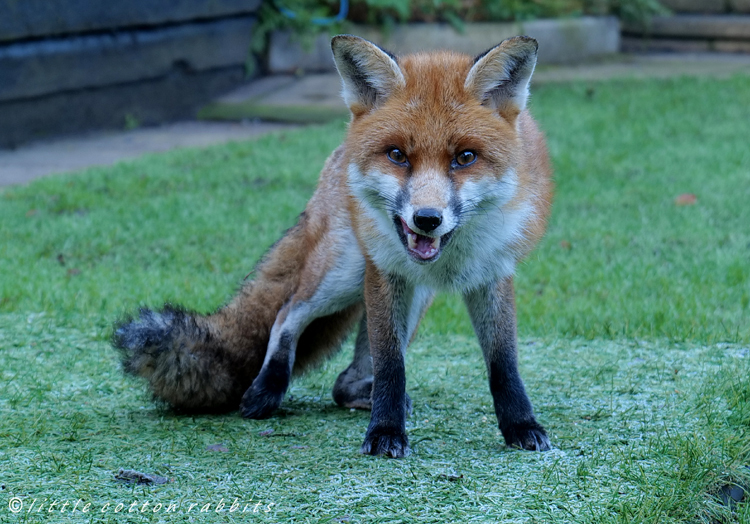
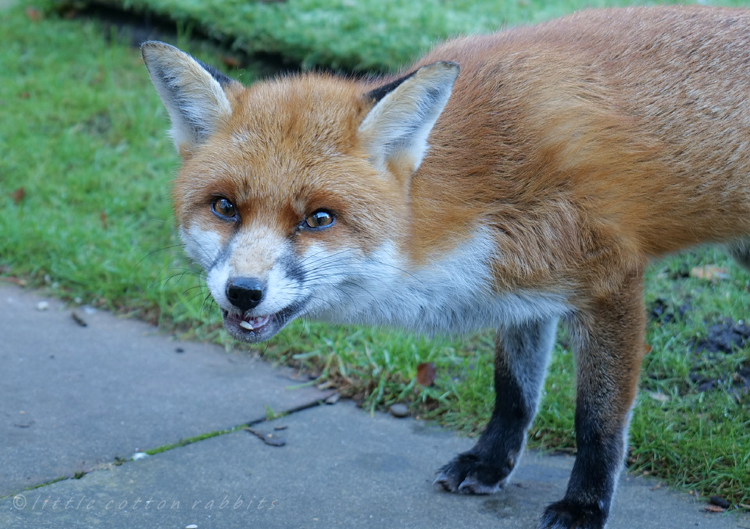
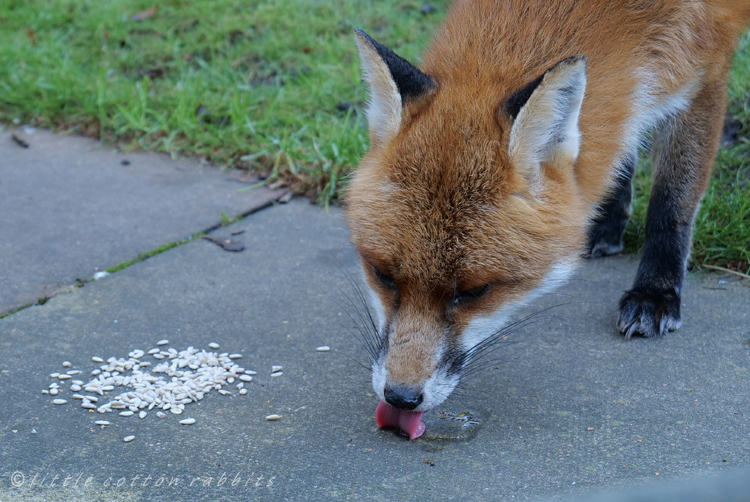
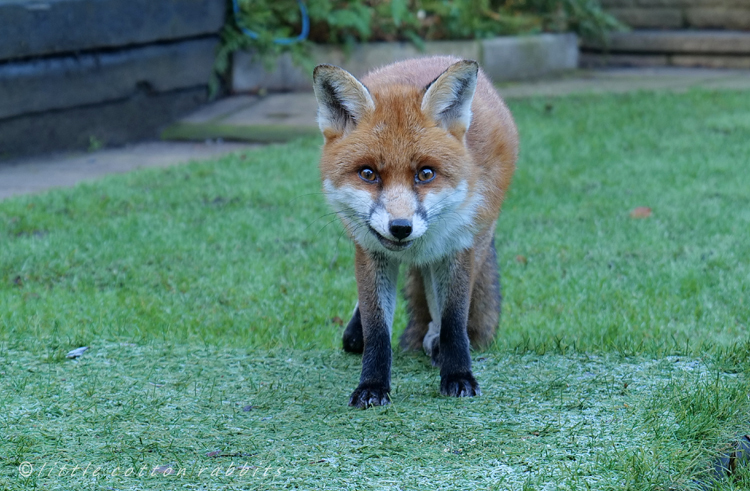
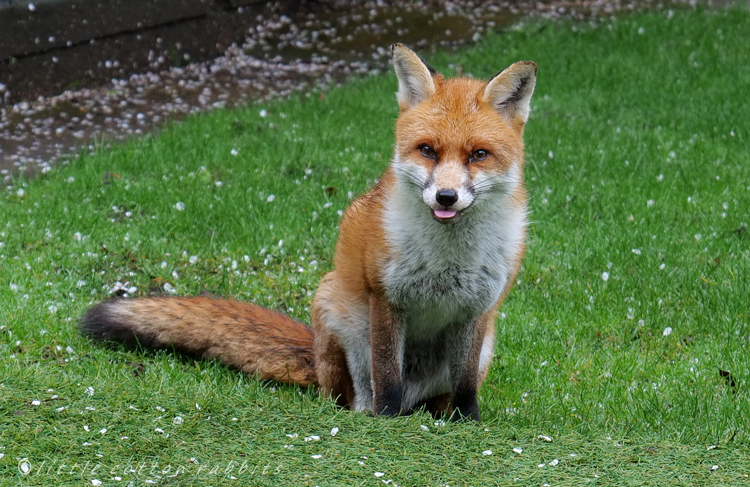
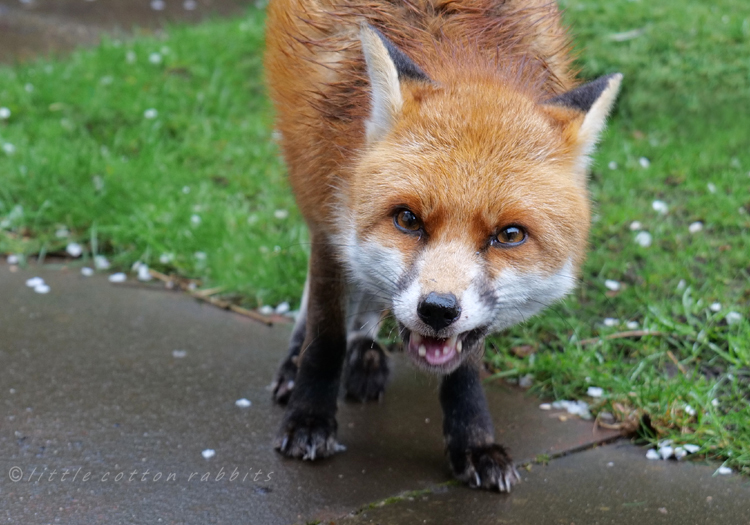
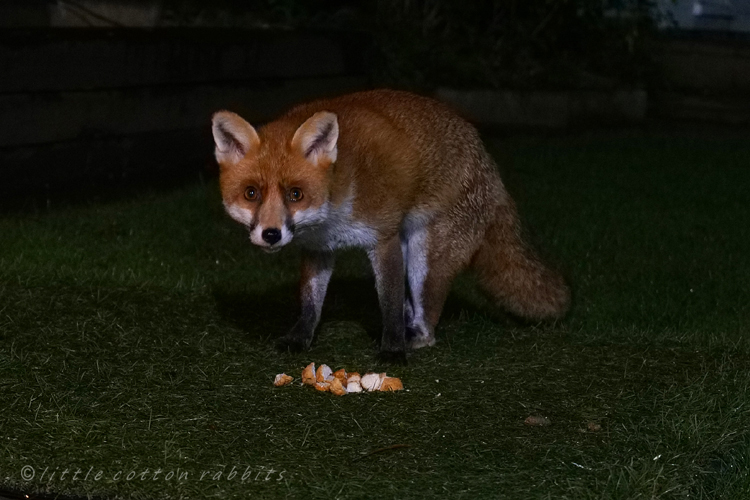
Lastly there has been sad news from the garden. Katsue, the little fox with the broken back leg who has been visiting often since May 2024, has badly injured her other back leg. This happened sometime at the end of December as she missed her visits for 10 days and when she finally showed up she had a large open wound on her right hip and was walking only on 3 legs, mostly her front two and just using her already broken leg for balance. Now the good news is that she is managing and the wound has now healed, but the injury, perhaps a break or dislocation, seems to have left her right back leg unusable and able to bear weight.

She seems to have moved in to our shed – she is able to crawl through a gap under the door and in there she is warm, dry and safe and only a few steps away from a regular meal. She now comes a couple of times a day for food and I’ve been feeding her lots because I’m not sure she can hunt anymore. She’s eating daily meals of cocktail sausages, leftover meat, sunflower seeds, bread, honey and other leftovers. Foxes are great scavengers and they will eat most things that a human can. Anyway, she is managing and choosing to stay close by (though never within reach) and we will continue providing food and a safe place to rest until she chooses to return to her den.

Well, that’s my February, I hope that yours has been good and that you are finding small joys in your days, see you again soon, J x

countryside · crafts & knitting · in the woods

Late November: and musings on water cycles

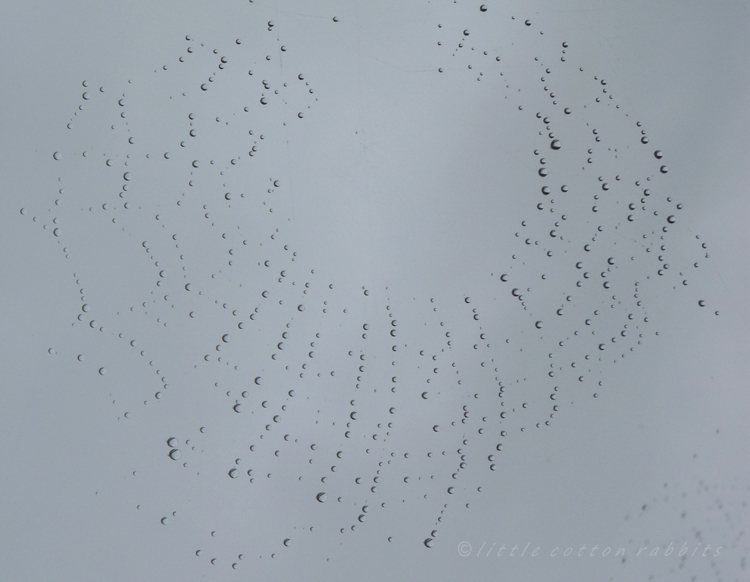
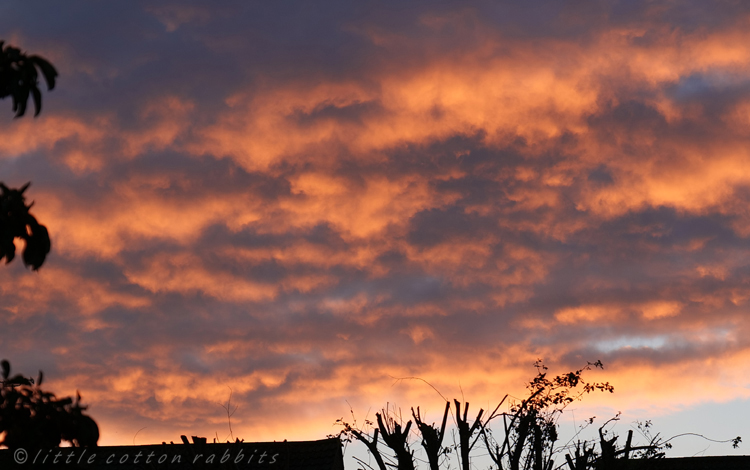
November has brought some proper English rain: days of constant, steady rainfall from deep grey clouds that form a dense blanket across the sky, reducing the daylight to a semi dark twilight. Murky, miserable, gloomy, overcast, dim are all words that we use for weather like this, and the Scots have their own wonderful word for this kind of weather: dreich

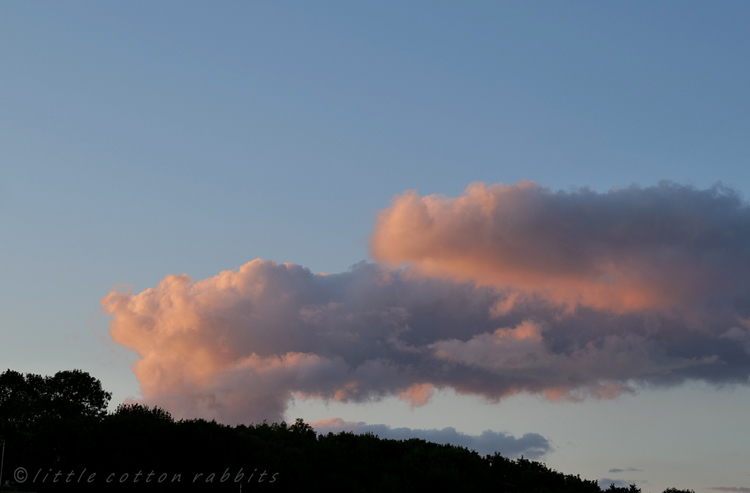
On days like this I marvel at the amount of water that is held aloft in clouds, it can rain non stop for days, causing flooding down here on the land, and yet the density of the cloud above seems to remain constant. It’s estimated that an average cumulus cloud weighs around 500,000 kg and at any one time there is six times more water held in clouds in the atmosphere around the globe than in all of the world’s rivers combined. As I cloud watch on our walks I often think about the constant cycle of water across the planet: from a vaporous state in clouds, to a liquid state in oceans and rivers, and a solid state in the frozen cold places of the world. Of all of the known elements, water is unique because it is the only natural substance that exists in all three states under normal Earth conditions. Isn’t that something marvelous to ponder on cold and wet November day?

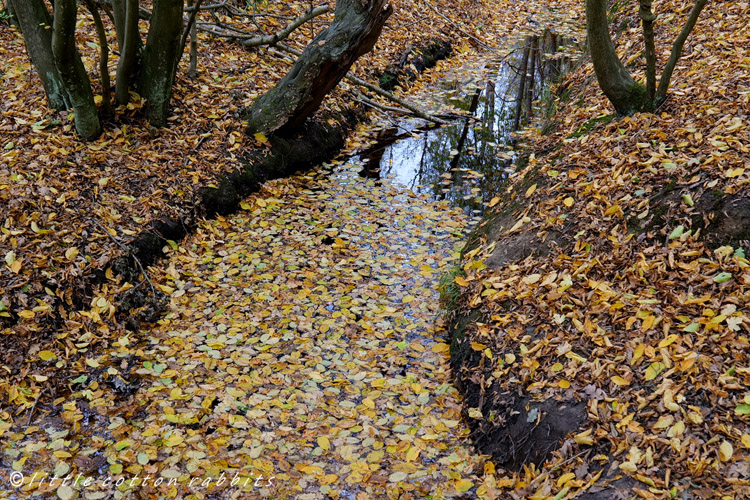
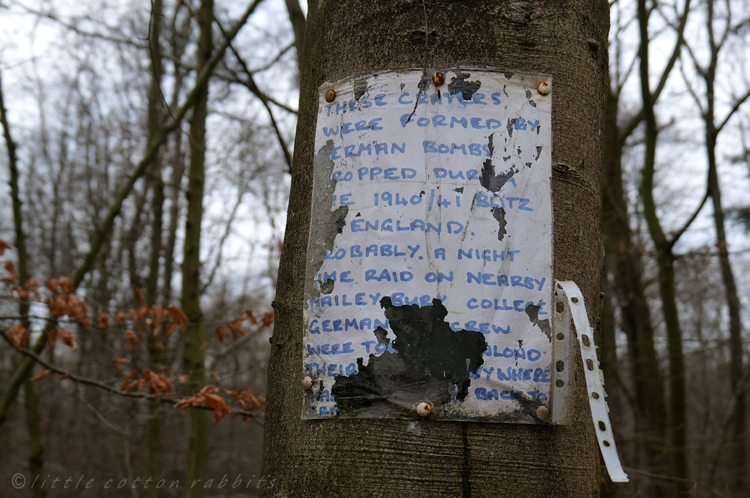
Most of our walks take in some form of water, there are the narrow brooks that criss-cross the woodlands, the chalk streams and rivers that flow alongside Waterford Marsh and through Panshanger, the shallow pools left from second world war bombings at Balls Wood and the deep gravel pit extraction lakes at Panshanger, now home to such an amazing array of wildlife.
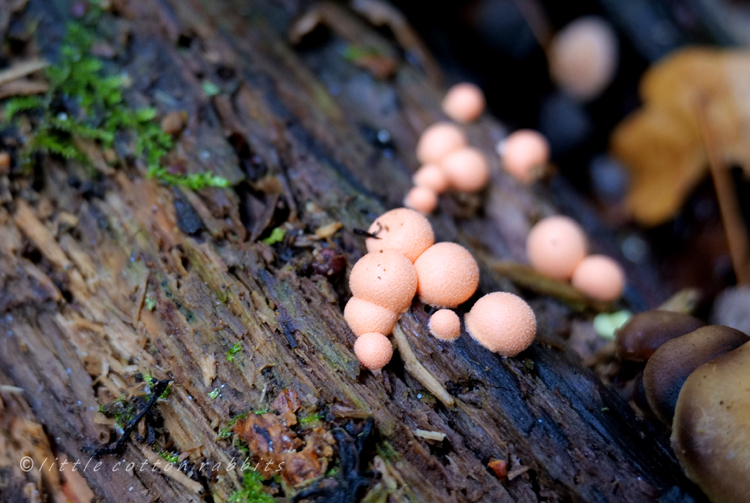
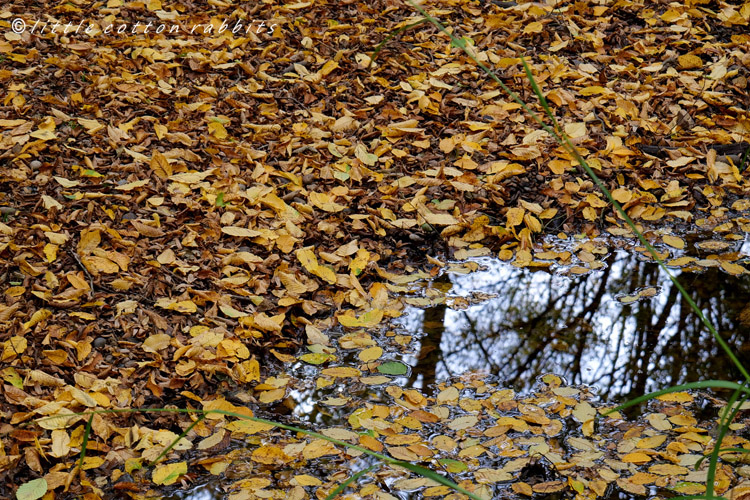
All summer long the pebbles that line the woodland brooks were baked dry, but now they are once again submerged under a few inches of languid water. The stream strength is not yet enough to wash away the fallen autumn leaves that float on the surface but now the ground is fully saturated one more winter storm will swell the gentle trickle to a rushing, babbling flow. And we no longer crunch our way through the fallen leaves, their dry crackle has been dulled by dampness and underfoot the squelch of mud has replaced the baked earth of summer.

Back home inside is warm and cosy and there is some quiet calm, some gentle-paced sock knitting, and a little tentative pattern writing. I hope to pop back very soon with an updated version of my free knitted holly pattern. It was first written and shared in November 2007 and I have learnt a lot more about knitting since then so have re-written it with different increases methods. I just have to knit a few more samples and photograph them so will share a free PDF file in my next post.

‘Til then I hope life is treating you kindly and you are finding enjoyable moments in your days, see you soon, J x

countryside · in the woods · wildlife

October and it’s toadstool time

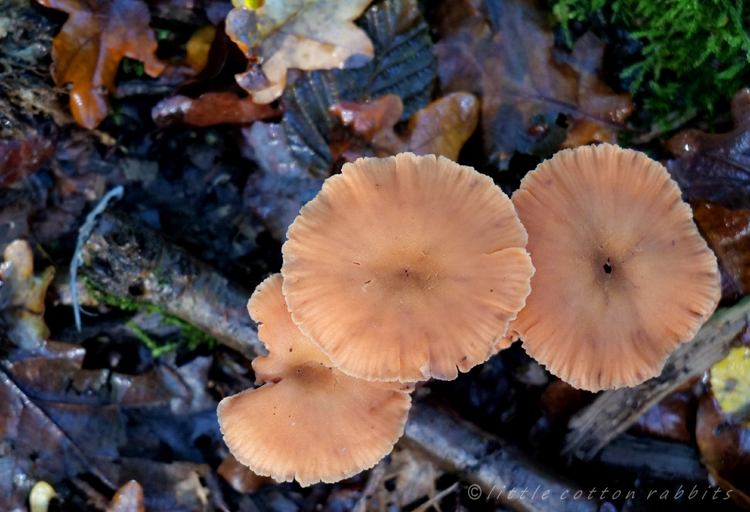
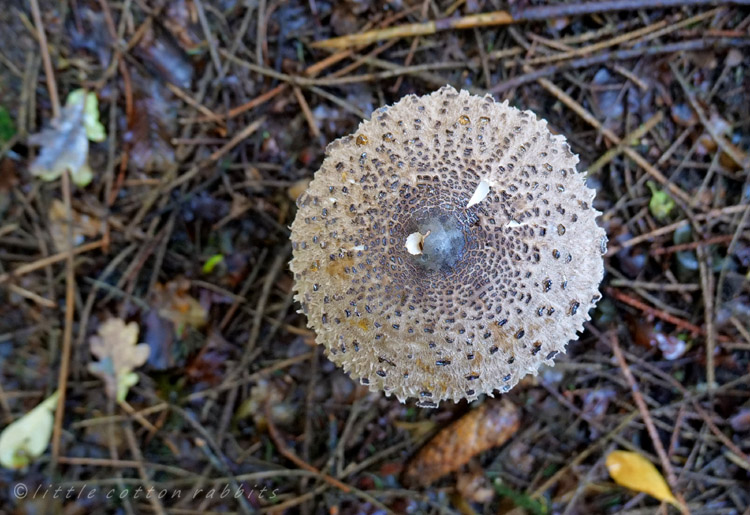
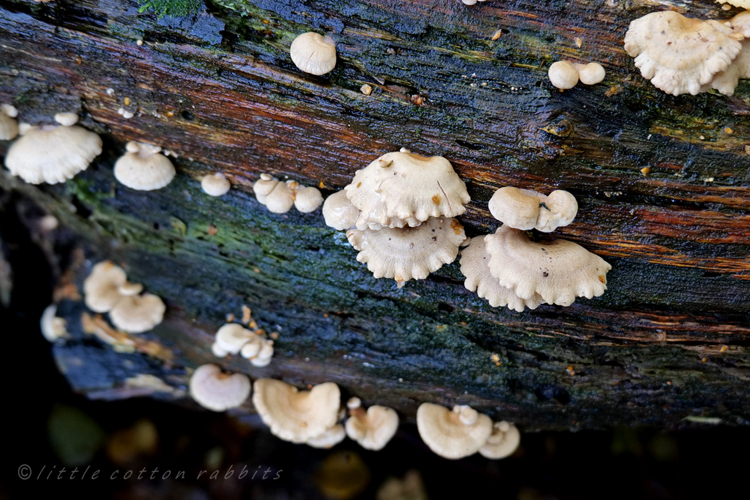
Autumn has continued drifting in on the breeze here, bring subtle shifts to the colour balance of the countryside. Many trees are now resplendent with rich gold and red leaves, some are yet to peak in beauty, and some trees still have leaves that are a very tired shade of green. Every week there is a noticeable change in the scenery on our walks and once again many of our familiar paths are already obscured by fallen leaves.ย  The weather has turned cooler and damp with frequent rain, a welcome shift to more recognisably English weather and the perfect conditions for toadstool spotting, as they really need a little rain to be at their best. For the rest of the month there will be different kinds of toadstools popping up and I look forward to seeing new things emerging on our walks each week.
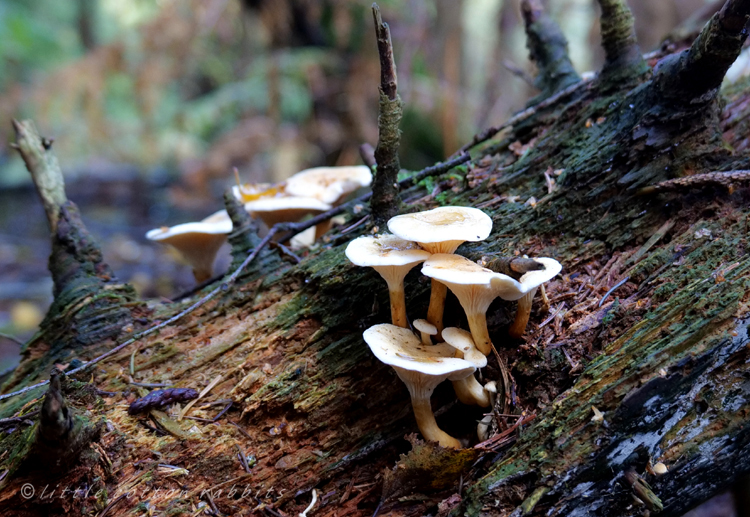
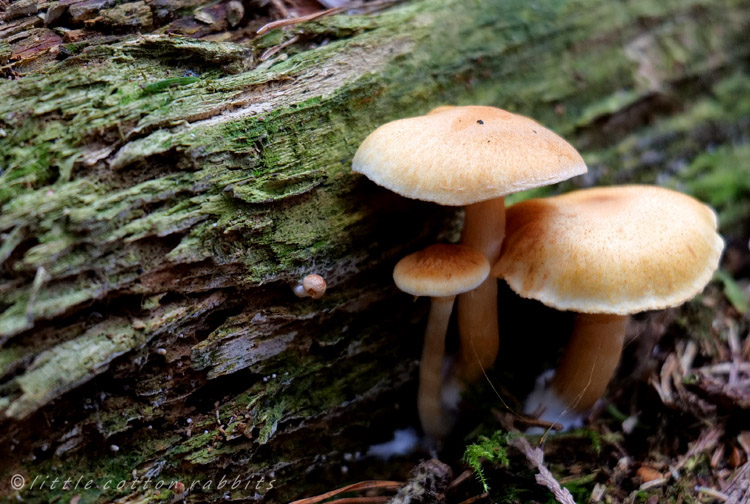
There is a wonderful aroma that emanates from a damp autumn wood, a mingling of the smells of rich earth, of gently decaying leaves and of the scent from toadstools. Some toadstools do actually smell quite distinctly, in particular Clitocybe odora, commonly known as the blue green anise mushroom (pictured just above), there have been a lot of these this year; Tricholoma saponaceum, also known as the soap-scented toadstool or soapy knight; and the aptly named stink horn, not one that you would choose seek out for obvious reasons.

Thank you so much for all of the kind messages to Amy, things are still quite difficult for her, but she has started a journey now that will hopefully lead her to a happier and more settled place through some support and therapy.

Well that’s all from me today, words are eluding me a little at the moment and I need a little more woodland medicine to find the flow of them again. I hope to be back later in the month as the photogenic season of autumn continues to settle over the woods and countryside,

Look after yourself and those that you love, I hope you can hug them every day, J x