crafts & knitting · free patterns · new patterns

Free Holly Pattern

Hello hello, it’s just a quick post from me today in order to share my free holly pattern with you again. This was first shared in November 2007 as a post on my previous Typepad blog, but when Typepad closed and deleted all blogs from their servers the post was lost, so I have written a revised version of it which includes better increases. It is free to download from Ravelry:

Free Holly Pattern

As always I look forward to seeing what creative ideas people come up with for using it; maybe on a Christmas napkin ring, a hair slide, a pretty trim on a well wrapped present or on a hairband for a knitted bear, whatever you decide to use it for I hope you have fun with the pattern.

Happy knitting, and as always love from me, J x

countryside · crafts & knitting · in the woods

Late November: and musings on water cycles

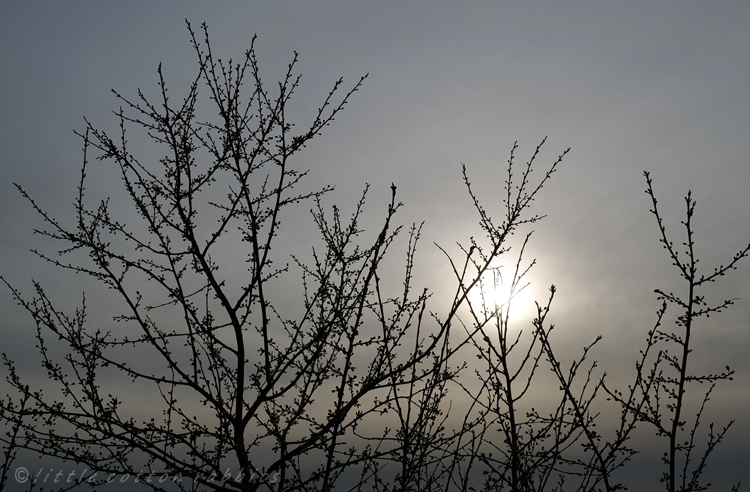
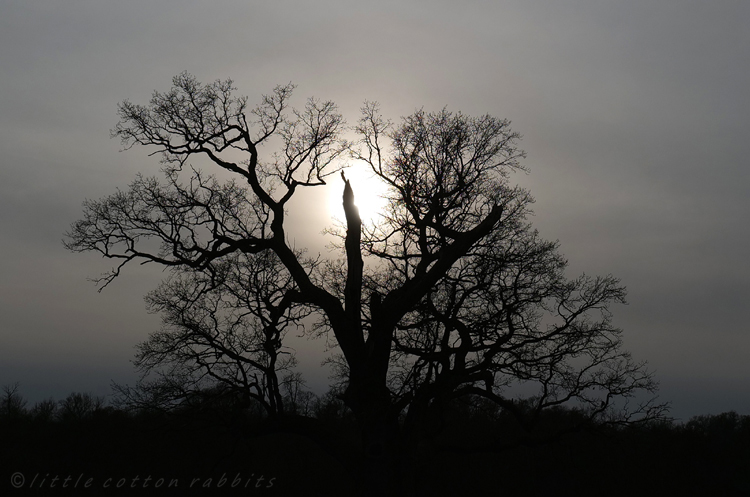
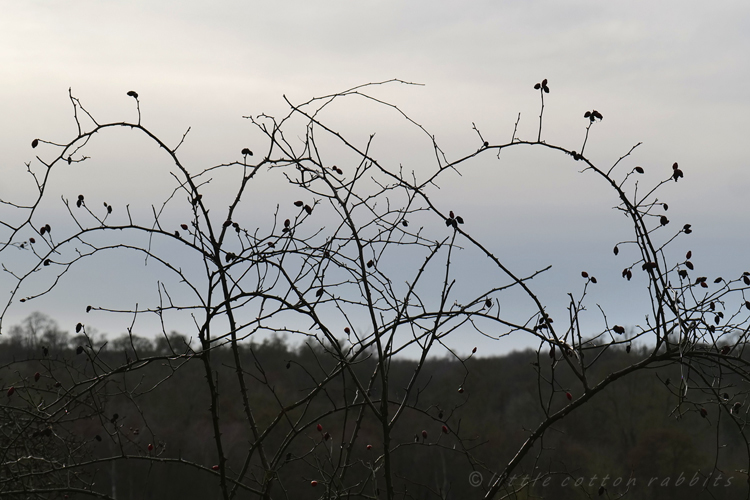
November has brought some proper English rain: days of constant, steady rainfall from deep grey clouds that form a dense blanket across the sky, reducing the daylight to a semi dark twilight. Murky, miserable, gloomy, overcast, dim are all words that we use for weather like this, and the Scots have their own wonderful word for this kind of weather: dreich

On days like this I marvel at the amount of water that is held aloft in clouds, it can rain non stop for days, causing flooding down here on the land, and yet the density of the cloud above seems to remain constant. It’s estimated that an average cumulus cloud weighs around 500,000 kg and at any one time there is six times more water held in clouds in the atmosphere around the globe than in all of the world’s rivers combined. As I cloud watch on our walks I often think about the constant cycle of water across the planet: from a vaporous state in clouds, to a liquid state in oceans and rivers, and a solid state in the frozen cold places of the world. Of all of the known elements, water is unique because it is the only natural substance that exists in all three states under normal Earth conditions. Isn’t that something marvelous to ponder on cold and wet November day?

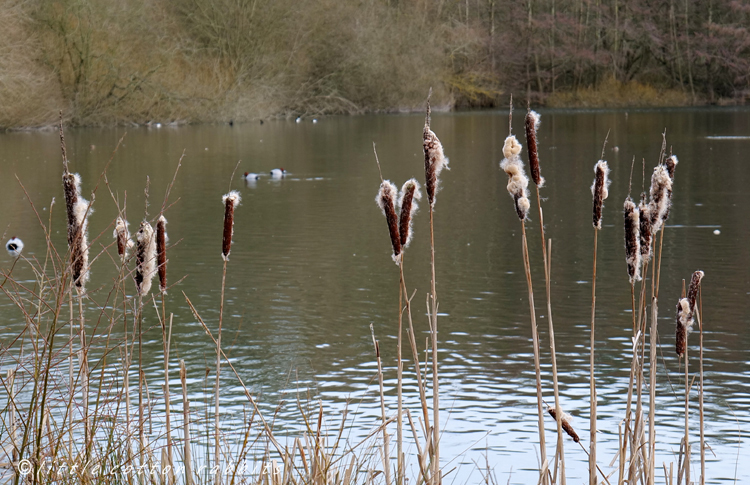
Most of our walks take in some form of water, there are the narrow brooks that criss-cross the woodlands, the chalk streams and rivers that flow alongside Waterford Marsh and through Panshanger, the shallow pools left from second world war bombings at Balls Wood and the deep gravel pit extraction lakes at Panshanger, now home to such an amazing array of wildlife.
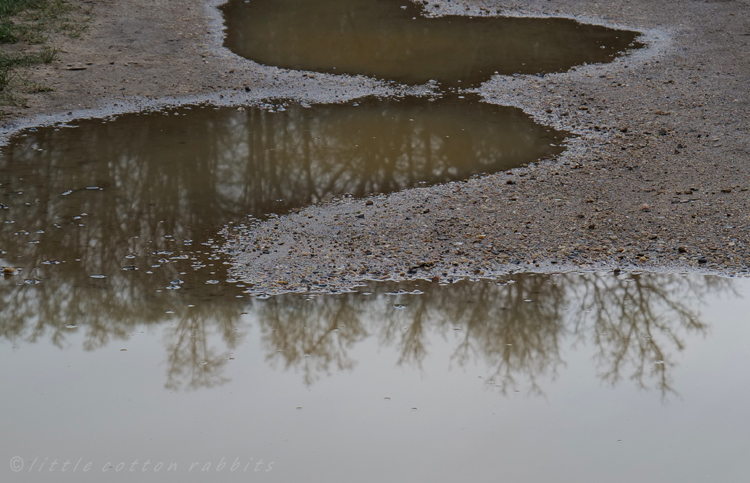
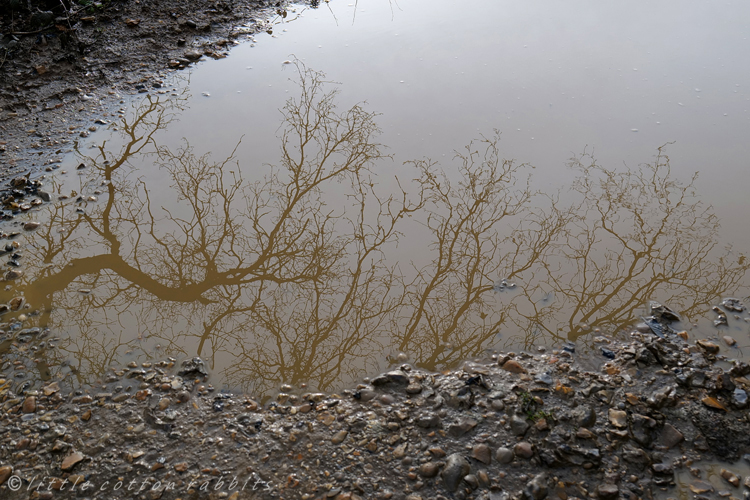
All summer long the pebbles that line the woodland brooks were baked dry, but now they are once again submerged under a few inches of languid water. The stream strength is not yet enough to wash away the fallen autumn leaves that float on the surface but now the ground is fully saturated one more winter storm will swell the gentle trickle to a rushing, babbling flow. And we no longer crunch our way through the fallen leaves, their dry crackle has been dulled by dampness and underfoot the squelch of mud has replaced the baked earth of summer.

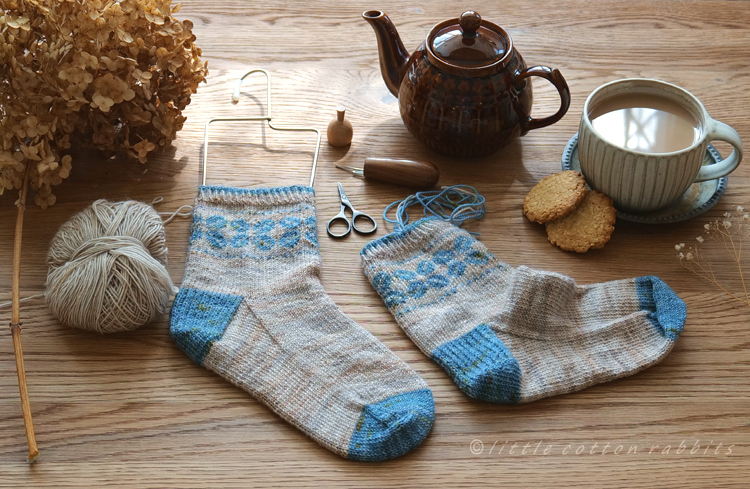
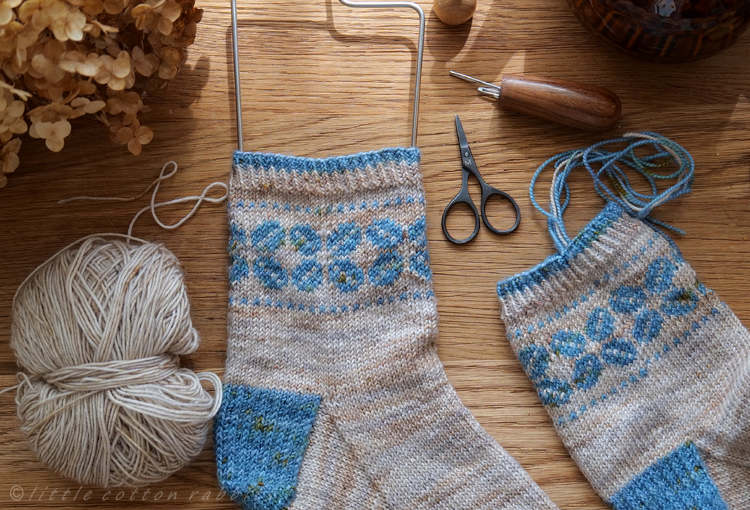
Back home inside is warm and cosy and there is some quiet calm, some gentle-paced sock knitting, and a little tentative pattern writing. I hope to pop back very soon with an updated version of my free knitted holly pattern. It was first written and shared in November 2007 and I have learnt a lot more about knitting since then so have re-written it with different increases methods. I just have to knit a few more samples and photograph them so will share a free PDF file in my next post.

‘Til then I hope life is treating you kindly and you are finding enjoyable moments in your days, see you soon, J x

autism

National Carers Rights Day

This is a post all about caring for my son, rather than my usual post topics, so please feel free to delete this if you’ve received it via email and it’s not of interest. My next post in a couple of days will be about the usual nature or knitting I promise ๐Ÿ™‚

This video is shared in order to show a little of what life is like for my son, he often looks like a regular young man in still pictures and I have shared many pictures of him over the years, but those do not convey the depth of his disability or the challenges he contends with, and the video shows a little more of that. If you watch the whole video you will see some stimming behaviours – so prevalent in those with severe autism; affection; smiles and giggles; momentary sensory overload; tics and twitches; response behaviour and some nice interaction – the whole range of our day, except for the worst bits.

Let me introduce you to Toby…


Most of you know me as a knitter and pattern writer, but some of you may also know that actually my full time job is unpaid carer to my adult son, who is non-verbal, autistic, has severe learning disabilities, multiple sensory processing disorders, pica, tics and challenging self-injurous behaviours. Since he left special needs education a year and a half ago we have provided 24 hour care and support for him at home, with only 12 hours of external support for our family per week. Toby needs help with every single aspect of daily life, he cannot dress himself, bathe or clean himself after using the toilet, cannot get his own food or use any technology including tvs/ dvd players and so someone else has to do all of this for him. He puts everything in his mouth so needs constant supervision to keep him safe and stop him eating non-food items.

Today is Carers rights day in the UK. Carers Rights Day is a national campaign raising awareness to help the UKโ€™s 5.8 million unpaid carers better understand their legal rights and the support theyโ€™re entitled to and so I wanted to raise awareness and talk a little about my experience of what it means to be a carer.

The dictionary defines ‘care’ as ‘the process of protecting someone or something and providing what that person or thing needs’

And there is a whole industry built around ‘caring’ for people of all ages who cannot look after themselves and need either some or total support for every aspect of living. This ‘care’ industry hopefully does meet most peoples basic needs, but much of it is rooted in a profit making business model and stories of lack of ‘care’ in supposed care settings frequently make the news.

We count ourselves extremely lucky that Toby has 2 wonderful small family/charity run places to go for day activities twice a week, and these are places where he is treated with respect, dignity and completely genuine affection. But in fact such good quality of care cannot be often bought or paid for, because actual care in the truest sense of the word is rooted in love. That is because to truly care for a vulnerable person it is necessary to often put the needs of that person above your own in order to keep them safe, healthy, happy and settled.

Millions of people up and down the country do provide this selfless care for their loved ones, with minimal support and without any financial recompense. The average person has a 50:50 chance of caring for a family member by the age of 50 โ€“ long before retirement age. This can have an enormous impact on their health (physical and mental), financial situation, free time, and employment opportunities.

And the sad truth is that help and support is hard to come by. Systems put in place often cause trauma to families that care for loved ones, as they create mountainous burdens of paperwork and form filling. And annual checks from social services, court of protection and GPs, each with additional attendant forms, prioritise ticking boxes and meeting targets on the part of the agency, taking away free time from carers and causing deviation from routines which can result in extra stress to both carers and those they care for. Councils allocate minimal funding for day activities but give no support in finding suitable placements, families have to find and research these themselves and also recruit staff, run payrolls, complete DBS checks and have employer liability insurance in order to outsource some of the caring responsibilities, all of this takes a good deal of time, which they receive no payment for and all of this work takes up precious free time that they would otherwise be able to spend on themselves.

Helen Walker, Chief Executive of Carers UK, says:

โ€œ57% of carers feel overwhelmed often or always. Many carers tell us that the burnout they feel doesnโ€™t come from caring for someone, it comes from the battle to access support.”

โ€œUnpaid carers play a crucial role in society. Itโ€™s widely agreed that our struggling health and social care system would collapse without them. Therefore, we need to see proper recognition and support in return.”


If you’ve got this far I want to thank you for reading and for giving me your time todayย  ๐Ÿ™‚

I have written this purely with the aim of sharing information and in solidarity with anyone reading this who also cares for someone that they love. I see you, and I want you to know that although it may sometimes feel thankless and at times desperately hard, you are doing a wonderful job xxx

………………………………………………………………………………………………………….

Resources:

Carers UK Website

Carers Trust Website